
Iron is a key player in our body’s ability to carry oxygen.
Without enough iron, the body struggles to make healthy red blood cells, which can lead to anemia—a condition that causes fatigue, weakness, and other serious health issues.
For many people with blood disorders, simply taking iron supplements isn’t enough. That’s where iron infusion therapy comes in.
This treatment offers a more direct, effective way to manage iron deficiency and improve quality of life.
Understanding Anemia and Iron Deficiency
Anemia occurs when your blood doesn’t have enough healthy red blood cells or hemoglobin, the protein that carries oxygen. Iron deficiency is the most common cause of anemia worldwide.
According to the World Health Organization, over 1.6 billion people globally are affected by anemia, with iron deficiency accounting for about half of these cases.
Symptoms like constant tiredness, shortness of breath, dizziness, and pale skin are common, but anemia can also lead to more serious problems like heart complications or decreased immune function if left untreated.
Why Oral Iron Isn’t Always Enough
Most doctors first recommend oral iron supplements to treat iron deficiency. While these pills can help, they often come with drawbacks:
- Slow absorption: The body can only absorb a limited amount of iron through the digestive system at a time.
- Side effects: Many people experience stomach pain, constipation, or nausea, making it hard to stick with treatment.
- Poor absorption in some conditions: People with gastrointestinal diseases like Crohn’s or celiac disease may not absorb oral iron properly.
When oral supplements fail or aren’t tolerated, infusion therapy offers a reliable alternative.
What is Iron Infusion Therapy?

Iron infusion therapy involves delivering iron directly into the bloodstream through an intravenous (IV) drip. This bypasses the digestive system, allowing much higher doses of iron to reach your body quickly and efficiently.
Because the iron goes straight into your veins, you usually see improvements faster—often within a few days to weeks—compared to oral supplements that can take months to build up iron stores.
Benefits of Iron Infusion Therapy for Blood Disorders
- Fast and effective: Iron infusion quickly raises iron levels, helping restore energy and reduce anemia symptoms faster.
- Better for people with absorption issues: If your digestive system can’t absorb iron properly, infusion therapy is a safe and effective option.
- Fewer side effects: Most patients tolerate iron infusions well, with fewer digestive problems compared to oral iron.
- Improves quality of life: Studies show that iron infusion can significantly improve fatigue, physical functioning, and overall wellbeing in people with anemia.
- Supports other treatments: For patients undergoing chemotherapy or those with chronic kidney disease, iron infusion can support better blood health and improve treatment outcomes.
Who Should Consider Iron Infusion Therapy?
Iron infusion is especially helpful for:
- Patients with moderate to severe anemia who need quick iron replenishment.
- People who can’t tolerate oral iron due to side effects.
- Those with blood disorders like chronic kidney disease, heavy menstrual bleeding, or inflammatory bowel disease.
- Individuals preparing for surgery or recovering from significant blood loss.
- Pregnant women with iron deficiency anemia who require rapid correction.
Important Statistics on Iron Deficiency and Infusion Therapy
- Around 20% of women and 50% of pregnant women globally suffer from iron deficiency anemia.
- Iron infusion therapy has shown a 60-80% success rate in improving hemoglobin levels in patients who don’t respond to oral iron.
- Studies report that up to 70% of patients experience noticeable improvements in fatigue after iron infusion therapy.
What to Expect During Iron Infusion Therapy
The procedure is usually done in a clinic or hospital setting.
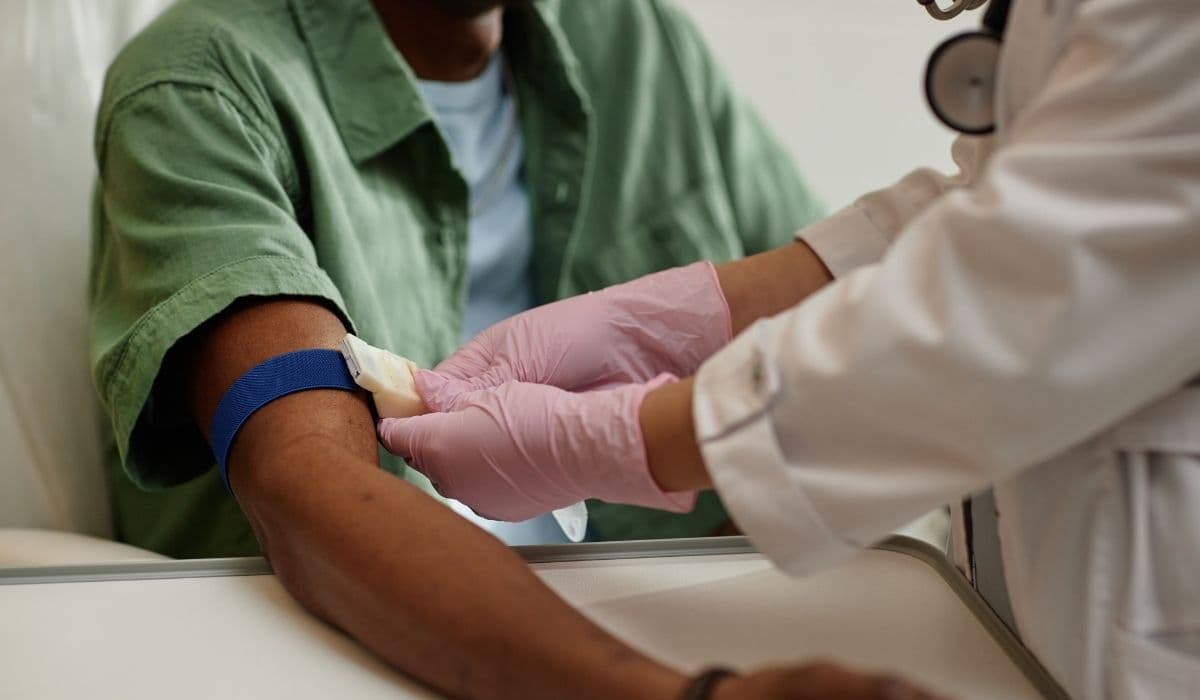
At Prime Infusion, a skilled healthcare professional will place an IV line in your arm and carefully administer the iron solution, which is slowly infused over 15 minutes to several hours depending on the dose.
Most people tolerate the treatment well, and our team is committed to making the process as comfortable as possible.
Mild side effects like headache, muscle aches, or a metallic taste may occur, but serious reactions are rare and closely monitored by our attentive medical staff.
Conclusion
Managing blood disorders like anemia requires effective treatment to restore iron levels and improve health.
Iron Infusion Therapy for Blood Disorders Management is a powerful tool for patients who need fast, reliable iron replenishment beyond what oral supplements can provide.
It offers faster relief from symptoms, better absorption, and improved quality of life.
If you or a loved one struggles with anemia or iron deficiency, talk to your healthcare provider about whether infusion therapy might be the right choice.
FAQ’s
How long does an iron infusion therapy session take?
Sessions typically last between 15 minutes to a few hours, depending on the iron dose you need. Your medical team will explain the procedure and monitor you throughout.
Is iron infusion therapy safe for everyone?
It’s generally safe when administered by trained professionals. However, people with certain allergies or medical conditions should discuss risks with their doctor beforehand.
How soon will I feel better after infusion therapy?
Many patients notice improvements in energy and symptoms within days, though full recovery depends on individual health and severity of anemia.
Can iron infusion therapy be done alongside other treatments?
Yes, it’s often used with treatments like chemotherapy or dialysis to support better blood health and improve overall treatment results.