
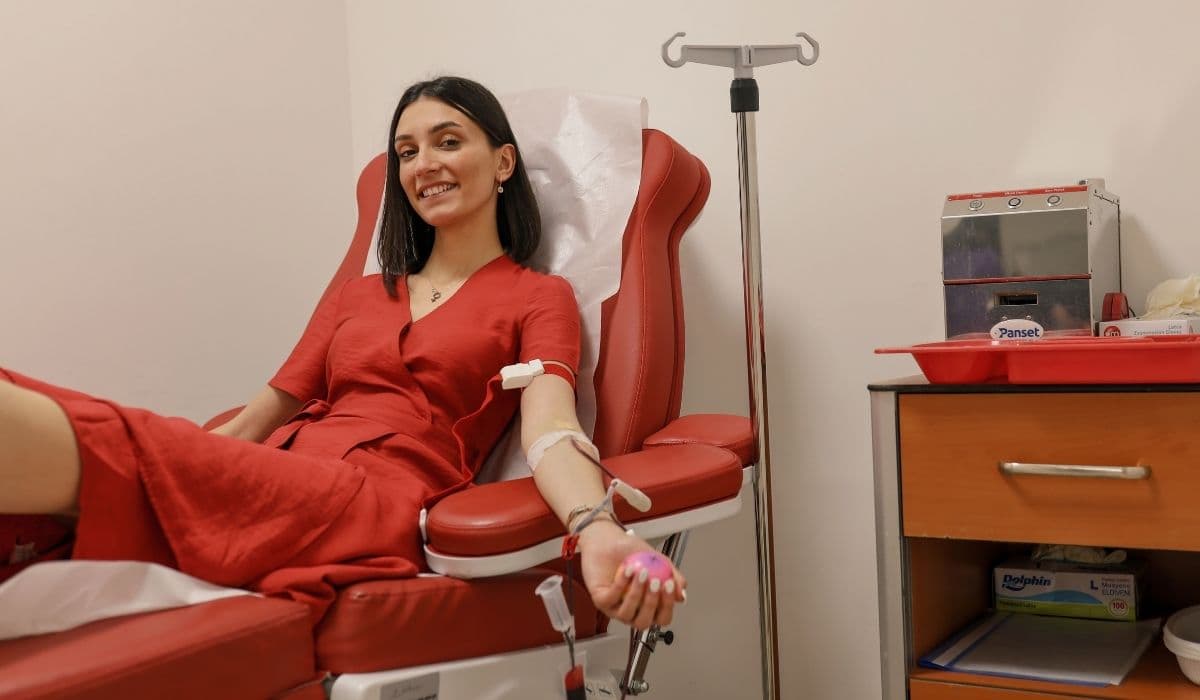
When people think of infusion therapy, they often associate it with cancer care or hydration.
0But what many don’t realize is that infusion therapy is also one of the most important tools in modern medicine for treating blood disorders.
Whether it’s anemia, hemophilia, sickle cell disease, or certain immune system conditions, infusion therapy has transformed the outlook for patients and dramatically improved outcomes.
Let’s break it down—what infusion therapy is, how it works, and most importantly, how it helps people with blood disorders live longer, feel better, and manage their conditions more effectively.
What Is Infusion Therapy?
Infusion therapy is a method of delivering medication or nutrients directly into the bloodstream using an intravenous (IV) line.
It allows for faster absorption, more accurate dosing, and better bioavailability than oral medications.
This is especially helpful when the digestive system is compromised, or when a drug needs to act quickly and efficiently.
Patients with chronic or severe blood disorders often receive regular infusions at:
- Infusion centers
- Hospitals
- Specialized hematology clinics
- Even at home under nurse supervision
These treatments are personalized depending on the type of blood disorder, the severity of the condition, and how the patient responds to therapy.
Why Blood Disorders Need Specialized Treatment
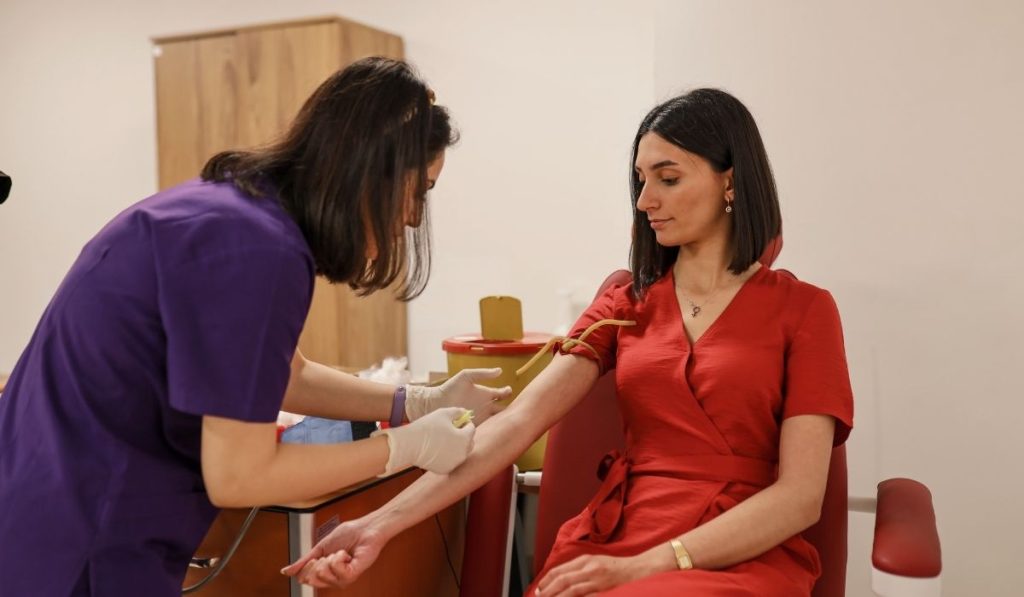
Blood is the lifeline of the body. It delivers oxygen, fights infections, carries nutrients, and removes waste.
When there’s a problem with your blood—whether it’s a shortage of red cells, a clotting disorder, or a compromised immune system—your entire body is affected.
Some of the most common blood disorders treated with infusion therapy include:
- Iron-deficiency anemia
- Sickle cell disease
- Hemophilia A and B
- Von Willebrand disease
- Immune thrombocytopenia (ITP)
- Beta-thalassemia
- Aplastic anemia
- Certain leukemias and lymphomas
- Autoimmune hemolytic anemia
These conditions can cause severe fatigue, pain, infection risk, or even life-threatening internal bleeding.
That’s why specialized and timely treatments like infusion therapy can make such a huge difference.
1. Faster and More Effective Treatment Delivery
One of the key advantages of infusion therapy is that medications are delivered directly into the bloodstream, bypassing the digestive system.
For patients with blood disorders, this means:
- Faster relief from symptoms like fatigue or pain
- Stronger response to medications like iron, clotting factors, or immune globulins
- Improved absorption, especially in patients with digestive or malabsorption issues
For example, oral iron supplements might take weeks to increase hemoglobin levels—and they often cause digestive side effects.
In contrast, IV iron infusions can improve iron levels much faster and with better tolerance.
2. Maintaining Healthy Red Blood Cell Levels
Blood disorders like anemia or thalassemia often involve low red blood cell counts or dysfunctional hemoglobin. This leads to:
- Extreme tiredness
- Dizziness or fainting
- Shortness of breath
- Pale or yellowish skin
Infusion therapy provides:
- Iron infusions for iron-deficiency anemia
- Blood transfusions for thalassemia or aplastic anemia
- Erythropoiesis-stimulating agents (ESAs) to encourage red blood cell production
These infusions help restore oxygen-carrying capacity in the blood, boosting energy, mental clarity, and physical function.
For many, it’s the difference between being bedridden and being active again.
3. Managing Bleeding Risks in Clotting Disorders
Patients with hemophilia or von Willebrand disease lack critical proteins that help blood clot.
A small injury or bump can lead to dangerous internal bleeding—especially around joints or in the brain.
Infusion therapy plays a life-saving role here by:
- Delivering clotting factor replacement therapy
- Providing emergency infusions after trauma or before surgery
- Enabling preventative (prophylactic) infusions to reduce bleeding frequency
Modern therapies have reduced bleeding events significantly and improved joint health, mobility, and life expectancy for people with clotting disorders.
4. Reducing Pain and Crises in Sickle Cell Disease
Sickle cell disease is a genetic blood disorder that causes red blood cells to become hard, sticky, and misshapen.
These cells block blood flow and oxygen delivery, causing severe pain, organ damage, and even stroke.
Infusion therapy helps by:
- Administering hydroxyurea to reduce the number of sickled cells
- Delivering blood transfusions to dilute sickled cells and improve oxygen delivery
- Using IV fluids and pain medications during sickle cell crises
- Providing monoclonal antibody infusions to prevent vaso-occlusive events
These treatments not only reduce hospital visits, but also enhance the patient’s ability to work, attend school, and enjoy daily life.
5. Strengthening the Immune System
Some blood disorders involve the immune system attacking the body’s own blood cells—like immune thrombocytopenia (ITP) or autoimmune hemolytic anemia.
In these cases, infusion therapy can include:
- Intravenous immunoglobulin (IVIG) to calm immune overactivity
- Monoclonal antibodies (like Rituximab) to target immune cells
- Steroid infusions to suppress inflammation
These therapies help prevent dangerous complications like bleeding or infections, and reduce the need for more toxic treatments like long-term steroids.
6. Improving Long-Term Prognosis and Quality of Life
Infusion therapy isn’t just about emergency treatment—it’s a long-term care strategy. Patients who receive regular, well-managed infusions often experience:
- Fewer hospitalizations
- Better control of symptoms
- Lower risk of disease progression
- Improved physical and emotional well-being
In conditions like thalassemia or sickle cell anemia, timely transfusions and infusions prevent organ damage and extend lifespan.
In bleeding disorders, they preserve joint function and mobility. The result? People living longer and better lives.
7. Personalized Infusion Schedules for Every Patient
No two patients are alike—and that’s where infusion therapy shines. Doctors can create customized infusion schedules based on:
- Bloodwork results
- Disease severity
- Patient symptoms and response
- Age, weight, and lifestyle
Some people receive infusions once a month.
Others may come in weekly. In some cases, patients even transition to home infusion therapy, making it easier to stick to their treatment plans.
This flexibility leads to better compliance and outcomes, which is the ultimate goal of any chronic care plan.
8. Multidisciplinary Care and Mental Health Support
Living with a blood disorder can be exhausting—not just physically, but emotionally.
The uncertainty, frequent lab tests, fatigue, and missed work or school days can lead to depression or anxiety.
Infusion therapy centers often offer access to:
- Hematologists and nurses
- Counselors and mental health specialists
- Nutritionists and pharmacists
- Social workers who assist with insurance and financial aid
This whole-person approach ensures that the emotional and mental health side of chronic illness is never ignored.
9. Lower Emergency Room Visits and Hospital Admissions
When patients stick to their infusion therapy schedules, they’re far less likely to end up in crisis. That means fewer:
- Emergency transfusions
- Infections from untreated anemia
- Pain episodes from sickle cell disease
- Bleeding episodes from missed factor replacement
This not only improves quality of life but also lowers healthcare costs and reduces the burden on emergency services.
10. Hope for the Future: Gene Therapy and New Infusion Advances
The world of blood disorder treatment is evolving quickly. Infusion therapy is now being combined with cutting-edge technologies, including:
- Gene therapies delivered via infusion for conditions like hemophilia and sickle cell
- Long-acting clotting factors that reduce treatment frequency
- Personalized monoclonal antibody infusions for immune-related blood diseases
These advances point toward a future where blood disorders are not just managed—but potentially cured. Infusion therapy is already paving the way.
Prime Infusion: Your Partner in Infusion-Based Blood Care
If you or a loved one is living with a blood disorder, you don’t have to face it alone.
At Prime Infusion, we specialize in delivering compassionate, expert infusion therapy tailored to your needs.
Our state-of-the-art infusion center offers:
- Treatments for anemia, sickle cell, hemophilia, ITP, and more
- Comfortable infusion rooms and personalized care
- Access to board-certified hematologists and support teams
- Insurance coordination and flexible scheduling
Let us help you feel stronger, live better, and thrive—one infusion at a time.
Contact us today to schedule your consultation and start your journey toward improved health.