

When it comes to cancer treatment, patients often find themselves weighing the pros and cons of chemotherapy or radiation therapy.
Both treatment methods are highly effective in targeting and eliminating cancer cells, but they differ significantly in how they work, their side effects, and their impact on the body.
If you’re exploring cancer treatment options and wondering which approach might result in fewer side effects, this guide will provide a comprehensive comparison.
Understanding Radiation Therapy vs Chemotherapy
Before we dive into the side effects, it’s crucial to understand how radiation therapy vs chemotherapy works:
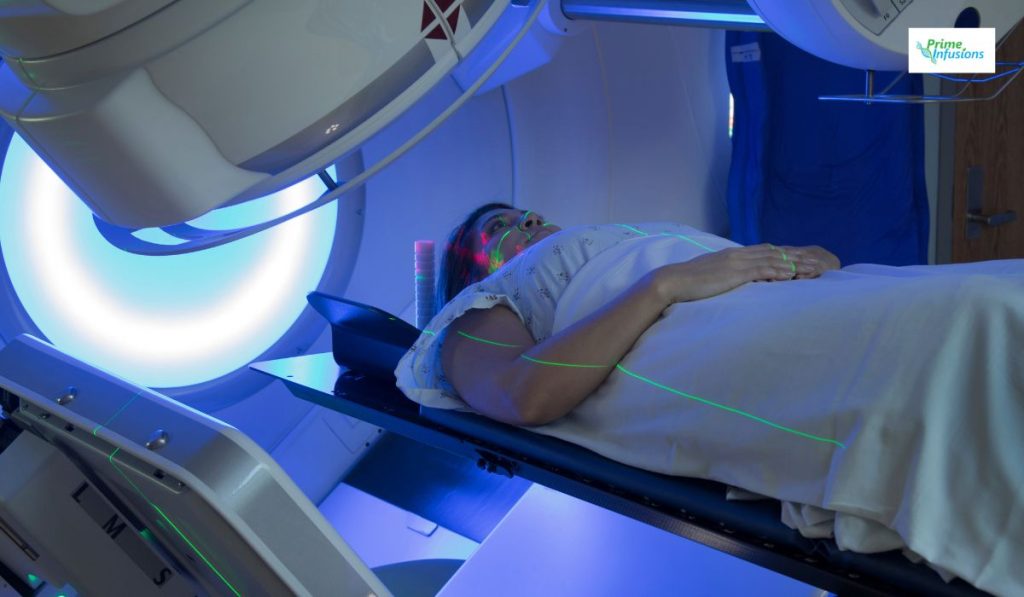
- Radiation Therapy: This treatment uses high-energy waves (such as X-rays or protons) to target and destroy cancer cells in a specific area of the body. It is a localized treatment, meaning it only affects the area being treated.
- Chemotherapy: Unlike radiation therapy, chemotherapy involves powerful drugs that travel through the bloodstream, targeting rapidly dividing cancer cells throughout the entire body. This systemic approach allows chemotherapy to treat cancers that have spread.
Now that we have a basic understanding, let’s examine the side effects of each treatment.
Side Effects of Radiation Therapy
Since radiation therapy is localized, its side effects are generally confined to the area being treated.
The severity of side effects depends on the dosage and the part of the body receiving treatment.
Common side effects include:
1. Skin Irritation
Radiation can cause redness, peeling, and dryness in the treated area, similar to a sunburn. This irritation usually subsides after treatment ends.
2. Fatigue
Many patients experience fatigue, but it is often less severe than the exhaustion associated with chemotherapy.
3. Hair Loss (Only in the Treated Area)
Unlike chemotherapy, which causes widespread hair loss, radiation therapy only affects hair growth in the targeted region.
4. Difficulty Swallowing (for Head and Neck Radiation)
Patients receiving radiation to the throat or chest may experience difficulty swallowing or a sore throat.
5. Bowel and Bladder Changes (for Abdominal Radiation)
Radiation to the abdominal area can cause nausea, diarrhea, or bladder irritation.
While these side effects can be uncomfortable, they are usually temporary and manageable with proper care.
Side Effects of Chemotherapy
Since chemotherapy affects the entire body, its side effects tend to be more widespread and can impact multiple systems. Common side effects include:
1. Nausea and Vomiting
One of the most well-known chemotherapy side effects, nausea and vomiting, can range from mild to severe but are often managed with medication.
2. Hair Loss
Unlike radiation therapy, which only causes localized hair loss, chemotherapy often results in total hair loss, including eyebrows and eyelashes.
3. Weakened Immune System
Chemotherapy suppresses bone marrow function, leading to lower white blood cell counts and increasing susceptibility to infections.
4. Fatigue
Chemo-related fatigue is often more profound and long-lasting compared to radiation therapy.
5. Mouth Sores
Some patients develop painful ulcers in the mouth and throat, making eating and drinking difficult.
6. Neuropathy (Nerve Damage)
Tingling, numbness, and pain in the hands and feet are common side effects of certain chemotherapy drugs.
7. Cognitive Issues (“Chemo Brain”)
Some patients report memory lapses, difficulty concentrating, and slower cognitive function.
8. Digestive Issues
Diarrhea, constipation, and appetite loss are frequent concerns among chemotherapy patients.
Which Treatment Has Fewer Side Effects?
When compared to chemotherapy, radiation therapy tends to have fewer and more localized side effects, whereas chemotherapy’s impact is systemic.
However, the severity of side effects varies depending on the individual, cancer type, treatment plan, and overall health.
For patients concerned about systemic side effects like nausea, hair loss, and immune suppression, radiation therapy may be the preferable option.
Conversely, chemotherapy is often necessary for treating cancers that have spread beyond a localized area.
How We Support You During Cancer Treatment
At [Your Clinic Name], we specialize in providing personalized and comprehensive cancer treatment options tailored to your unique needs.
Our team of expert oncologists will guide you through the decision-making process, ensuring you understand the benefits and risks of radiation therapy vs chemotherapy.
We offer:
- Advanced Radiation Therapy Options: Utilizing state-of-the-art technology to target cancer cells while minimizing damage to healthy tissue.
- Comprehensive Chemotherapy Care: With expert monitoring and support to help manage side effects effectively.
- Holistic Patient Support: Including nutrition guidance, emotional counseling, and integrative therapies to enhance well-being.
- Cutting-Edge Research & Innovations: Ensuring you receive the latest, most effective treatments available.
Conclusion
The choice between radiation therapy and chemotherapy is deeply personal and depends on various factors, including your specific cancer type, stage, and overall health.
Radiation therapy often has fewer side effects due to its localized nature, while chemotherapy’s systemic approach may lead to more widespread effects.
The best treatment plan is one that is customized to your needs, ensuring maximum effectiveness with minimal side effects.