

Chemotherapy is a common treatment used to fight cancer by targeting and destroying rapidly growing cells in the body.
While chemotherapy can be highly effective in treating cancer, it often comes with a range of side effects.
Understanding what to expect and knowing how to manage these effects can significantly improve your experience during treatment.
What Are the Common Side Effects of Chemotherapy?
Chemotherapy works by targeting rapidly dividing cancer cells, but it can also affect healthy cells that divide quickly.
This often results in side effects, many of which are temporary and manageable.
Here are some of the most common side effects that patients may experience during chemotherapy:
- Fatigue: One of the most common and noticeable side effects of chemotherapy is fatigue. The body’s energy is directed towards fighting the cancer, which can lead to an overwhelming sense of tiredness.
- Nausea and Vomiting: Chemotherapy can irritate the gastrointestinal tract, leading to nausea and vomiting. This is often managed with anti-nausea medications prescribed by your doctor.
- Hair Loss: Many chemotherapy drugs target hair follicles, causing hair loss on the scalp, eyebrows, and other parts of the body. This side effect is usually temporary, and hair typically grows back once treatment ends.
- Mouth Sores: Chemotherapy can damage the cells lining your mouth, leading to painful sores or ulcers. This can make eating and drinking difficult.
- Low Blood Counts: Chemotherapy can suppress bone marrow, where blood cells are produced, leading to low levels of red blood cells (anemia), white blood cells (increasing the risk of infection), and platelets (increasing the risk of bleeding).
- Changes in Appetite: Some chemotherapy treatments can affect taste and smell, leading to a decreased appetite. This can make it challenging for patients to maintain their usual eating habits.
- Diarrhea or Constipation: Chemotherapy can affect the digestive system, leading to either diarrhea or constipation, depending on the type of medication used.
How to Manage Chemotherapy Side Effects
While chemotherapy side effects can be challenging, there are effective strategies for managing them.
Here are some ways to reduce discomfort and maintain your quality of life:
- Talk to Your Doctor About Medications: Your doctor will prescribe medications to help manage side effects. Anti-nausea medications, pain relievers, and appetite stimulants are commonly used to alleviate symptoms.
- Prioritize Rest: Fatigue is a common side effect, so it’s essential to prioritize rest. Sleep is crucial for your body’s healing and recovery during treatment. Break your day into smaller chunks, allowing time for both activity and rest.
- Eat Small, Frequent Meals: If chemotherapy is affecting your appetite, try eating smaller meals more frequently throughout the day. Include high-calorie, nutrient-dense foods, and stay hydrated.
- Mouth Care: To manage mouth sores, rinse your mouth with warm salt water, and avoid spicy or acidic foods that may irritate your mouth. Using a soft toothbrush and moisturizing your lips can also help.
- Manage Hair Loss: While hair loss can be distressing, consider wearing scarves, hats, or wigs. Some people also find solace in shaving their heads to regain control over the situation.
- Stay Hydrated: Chemotherapy can lead to dehydration, especially if you experience vomiting or diarrhea. Drink plenty of fluids to stay hydrated, and consider electrolyte drinks to replenish lost minerals.
- Practice Good Hygiene: With a weakened immune system, it’s crucial to practice good hygiene to avoid infections. Wash your hands frequently, avoid crowds, and take care of any cuts or bruises immediately.
- Exercise Lightly: If your energy levels allow, try engaging in light physical activity. Gentle exercises like walking or stretching can help combat fatigue and improve your overall well-being.
Emotional and Mental Health During Chemotherapy
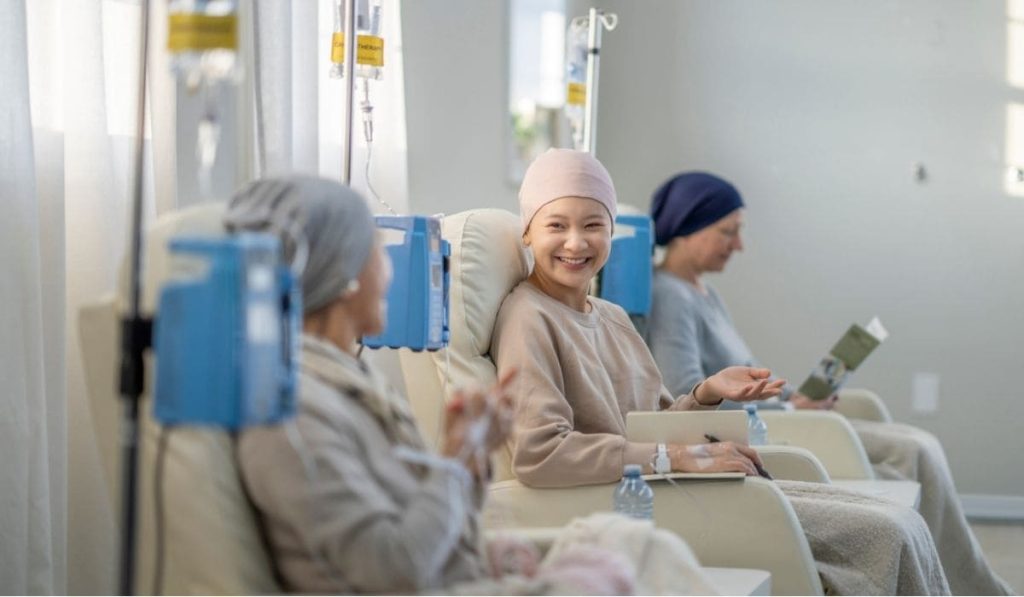
The emotional toll of chemotherapy can be as significant as the physical side effects.
Anxiety, depression, and stress are common reactions to the cancer treatment process.
It’s essential to seek support from loved ones, friends, or professional counselors.
Many cancer centers offer mental health support services to help you cope.
Additionally, joining a support group where you can share experiences with others undergoing chemotherapy can be a valuable way to manage the emotional aspects of treatment.
Finding comfort in community can help reduce feelings of isolation and give you the emotional strength to continue with your treatment.
The Importance of Comfort and Convenience
While managing the side effects of chemotherapy is vital, the overall experience of treatment matters as well.
Traditional chemotherapy often requires frequent hospital visits, which can be inconvenient and exhausting for patients.
This is where options like home infusion therapy can provide significant benefits.
Prime Infusions offers the flexibility to provide complex infusions at a patient’s home, clinic, or doctor’s office, often at a fraction of the cost of traditional hospital-based treatment.
This approach increases comfort, satisfaction, and adherence to treatment plans.
If you’re considering alternatives to the traditional hospital setting for your chemotherapy infusions, Contact Us to learn more about how we can help.
Conclusion
Chemotherapy is an essential treatment for many cancer patients, but it is not without its challenges.
By understanding the side effects and knowing how to manage them, you can make the experience more manageable.
Additionally, embracing more flexible and comfortable treatment options, such as home infusions, can provide a higher level of care and convenience.
If you’re undergoing chemotherapy and looking for a more personalized and comfortable infusion experience, reach out to Prime Infusions today to discover how we can support your treatment journey.
Contact Us for more information on how we can help you manage chemotherapy with more comfort and convenience.