
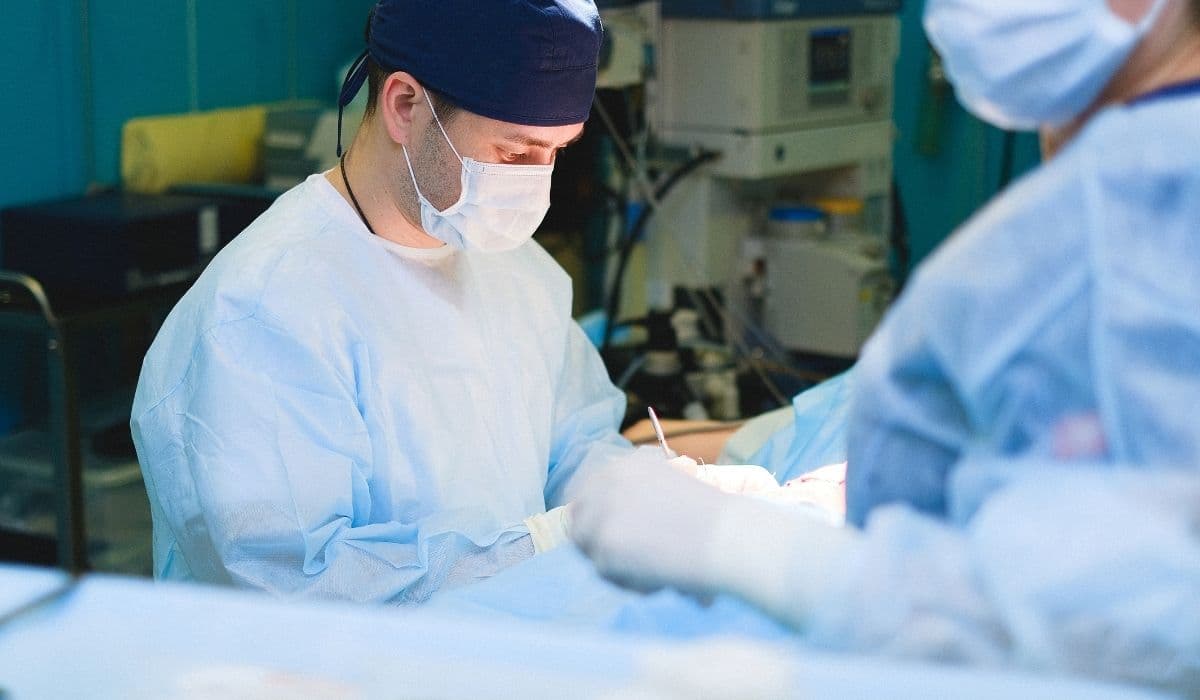
Recovering from post-surgery can be a challenging journey. The body needs time and support to heal properly, and sometimes, regular eating and drinking aren’t enough to meet those needs.
That’s where infusion therapy comes in—a powerful tool that helps speed up recovery and reduce complications.
If you or a loved one is preparing for surgery or in the healing process, understanding why Post-Surgery Healing with Infusion Therapy is so important can make all the difference.
Why Is Post-Surgery Recovery So Demanding?
After surgery, your body goes through a lot. There’s tissue damage, inflammation, and the immune system kicks into high gear to fight infection and start repair.
This process requires more fluids, nutrients, and sometimes medications than your body can get through food or oral supplements alone.
- Surgery can lead to dehydration due to blood loss, anesthesia, or limited oral intake.
- Nutrient demands rise as the body works to rebuild cells and fight inflammation.
- Pain, nausea, or swallowing difficulties might limit how much you eat or drink.
A study published in the Journal of Surgical Research found that patients receiving proper hydration and nutrient support after surgery had faster wound healing and fewer complications.
What Exactly Is Infusion Therapy?

Infusion therapy involves delivering fluids, vitamins, minerals, and sometimes medications directly into your bloodstream through an IV.
This direct approach bypasses the digestive system, ensuring your body gets exactly what it needs quickly and efficiently.
- Fluids help restore hydration and maintain blood pressure.
- Vitamins like C and B-complex aid tissue repair and energy production.
- Minerals such as magnesium and potassium support muscle function and nerve health.
- Antibiotics or pain relief can be administered if needed.
How Infusion Therapy Supports Faster Healing
Here’s why infusion therapy is often recommended after surgery:
- Immediate Hydration: After surgery, fluids can be lost through blood loss, sweating, or limited intake. Infusion therapy replenishes fluids quickly to prevent dehydration, which slows healing.
- Boosted Nutrient Absorption: If nausea or digestive issues make eating hard, infusions provide vital nutrients directly, helping your cells regenerate faster.
- Reduced Fatigue: Surgery can leave you feeling exhausted. Infusions of vitamins and minerals help restore energy by supporting your metabolism.
- Infection Prevention: Some post-surgery infusions include antibiotics or immune boosters to help your body fight off infections.
- Pain and Inflammation Control: Certain medications can be given through IV to manage pain and reduce inflammation, improving comfort and mobility.
Who Benefits Most from Post-Surgery Infusion Therapy?
While infusion therapy is helpful for many recovering patients, it is especially vital for:
- Patients who had major or complex surgeries (e.g., heart, abdominal, or orthopedic surgeries).
- Older adults, whose bodies heal more slowly and may have difficulty absorbing nutrients.
- People with chronic illnesses like diabetes or kidney disease, which slow healing.
- Those who experience vomiting, nausea, or swallowing difficulties post-surgery.
- Patients at risk of dehydration or infection.
According to a report from the American Society for Parenteral and Enteral Nutrition, appropriate use of infusion therapy in surgical recovery reduces hospital stays by 20% and lowers the risk of complications like infections.
What to Expect During Infusion Therapy
If your healthcare team recommends infusion therapy, here’s what usually happens:
- A nurse or technician will insert a small IV line, usually in your arm.
- The infusion session can last anywhere from 30 minutes to a few hours, depending on what’s being delivered.
- You may feel a slight pinch when the IV is inserted, but the therapy itself is generally painless.
- Nurses monitor you for any side effects like dizziness or mild discomfort.
- Most patients feel more energized and hydrated soon after treatment.
Are There Any Risks?
Infusion therapy is generally safe, especially when managed by experienced professionals.
At Prime Infusion Therapy Centre, your care is our priority—we ensure every step is handled with expertise and attention.
Side effects are rare but can include mild bruising, irritation at the IV site, or, very rarely, allergic reactions.
It’s important to communicate any allergies or previous reactions to your healthcare provider beforehand, and our team at Prime Infusion will carefully review your medical history to keep you safe and comfortable.
Conclusion
Recovering from surgery is about more than just rest—it’s about giving your body the right support to heal well and quickly.
Post-Surgery Healing with Infusion Therapy offers a reliable way to rehydrate, nourish, and strengthen your body when it needs it most.
By delivering essential fluids, vitamins, and medications directly into the bloodstream, infusion therapy helps reduce complications, boost energy, and speed up recovery.
If you or a loved one is preparing for surgery or currently healing, talk to your healthcare provider about whether infusion therapy might be right for you.
FAQ’s
How soon after surgery can I start infusion therapy?
Usually, infusion therapy can begin immediately after surgery or as soon as your doctor feels it’s safe and beneficial for your recovery.
How often will I need infusion therapy during recovery?
The frequency depends on your surgery type and recovery progress. Some patients need daily infusions initially, while others may require fewer sessions.
Can infusion therapy be done at home?
In many cases, yes. Home infusion therapy is possible for stable patients and those with ongoing recovery needs, with trained professionals visiting or monitoring remotely.
Does infusion therapy replace the need to eat and drink?
No, infusion therapy is a supplement to oral intake. As your appetite and digestion improve, it helps fill nutritional gaps but doesn’t replace normal eating.