
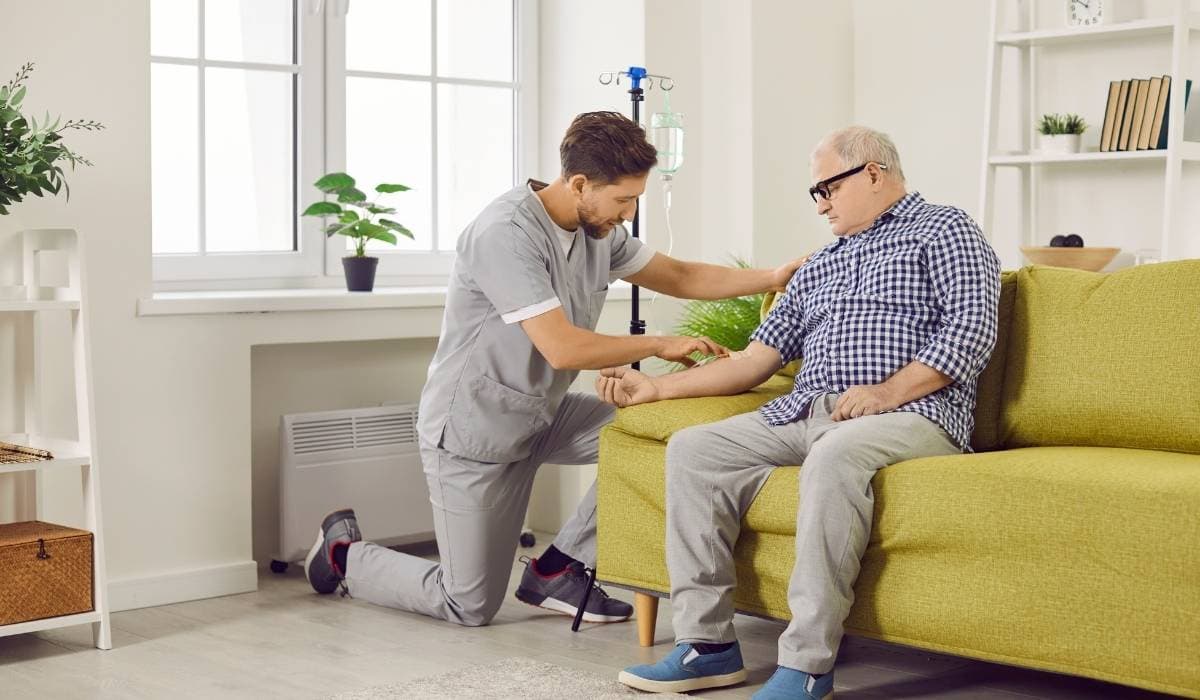
For many individuals facing chronic conditions or post-surgical recovery, infusion therapy can feel intimidating, inconvenient, or even overwhelming.
You might be thinking about long hours spent in a clinic, the high costs associated with hospital visits, or the anxiety of unfamiliar medical settings.
If you’re nodding your head in agreement, you’re not alone.
That’s where total care home infusions come into play—offering a reliable, safe, and effective alternative right in the comfort of your own home.
Infusion therapy doesn’t have to be a stressful experience.
With advancements in healthcare delivery, at-home infusion services have become a game-changer, especially for patients who need ongoing treatment for chronic illnesses such as rheumatoid arthritis, multiple sclerosis, Crohn’s disease, cancer, and more.
This article will walk you through the benefits, safety measures, and reliability of at-home infusion options, making your treatment experience significantly more manageable.
Understanding Infusion Therapy: The Basics
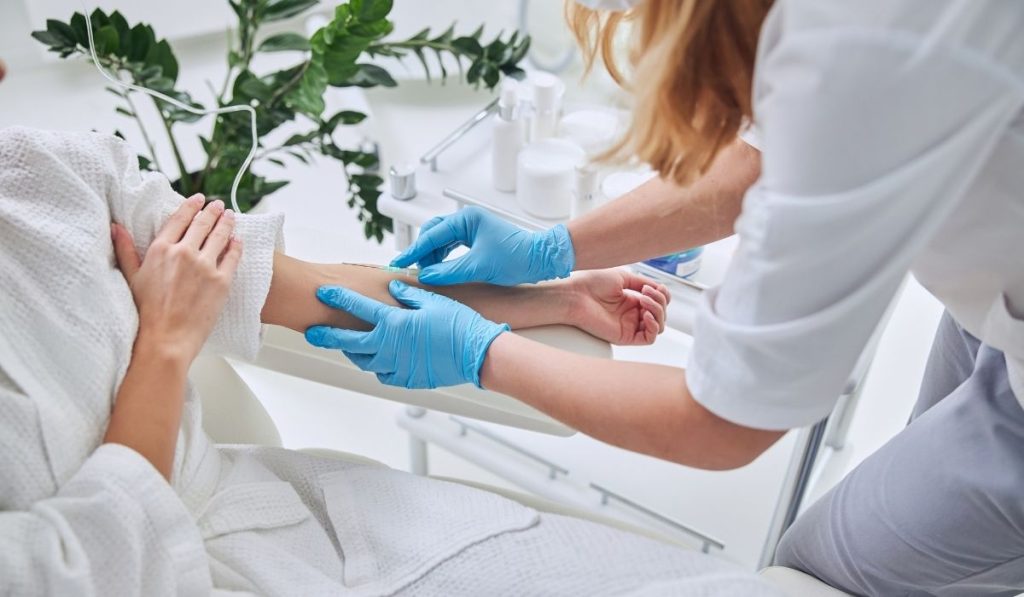
Infusion therapy is the administration of medications or nutrients directly into the bloodstream, typically through an IV (intravenous) line.
This method is essential when oral medications are not effective or feasible.
Common uses of infusion therapy include:
- Antibiotics for infections
- Chemotherapy for cancer
- Biologics for autoimmune diseases
- Hydration and electrolyte therapy
- Total parenteral nutrition (TPN)
While these treatments are usually administered in hospitals or outpatient clinics, total care home infusions now allow you to receive the same level of medical excellence from home.
Why Patients Are Shifting Toward At-Home Infusion Therapy
Comfort and Convenience
There’s no place like home—especially when you’re not feeling well.
One of the top reasons patients prefer total care home infusions is the convenience of receiving treatment without commuting, waiting in long queues, or spending hours in a clinical environment.
Lower Infection Risks
Hospitals and clinics can be breeding grounds for secondary infections.
By receiving infusions at home, your exposure to contagious diseases is significantly reduced, making it a safer choice for immunocompromised individuals.
Personalized Care
At-home infusions typically involve one-on-one attention from a registered nurse, allowing for a more customized and compassionate care experience.
Nurses are trained not only to administer medication but also to monitor your progress, handle complications, and educate you and your family on treatment protocols.
Cost-Effectiveness
Hospital-based infusions can be expensive.
With fewer overheads and administrative fees, total care home infusions are generally more cost-effective, especially for long-term or recurring treatments.
Better Quality of Life
When treatments adapt to your lifestyle instead of the other way around, you feel more in control.
Being treated at home minimizes disruption to your daily routine, family time, and mental well-being.
Safety and Reliability: Are Home Infusions Trustworthy?
It’s natural to wonder if at-home medical procedures are truly safe.
The answer is a resounding yes, as long as you’re working with a reputable provider.
Key Safety Standards for At-Home Infusions:
- Board-Certified Nurses: Only licensed healthcare professionals administer treatments.
- Sterile Equipment: All medical devices and infusion kits follow rigorous safety standards.
- 24/7 Support: Many services offer on-call clinical support in case of emergencies or complications.
- Patient Education: Training on recognizing signs of allergic reactions, proper IV maintenance, and follow-up care.
Providers offering total care home infusions often coordinate directly with your physician, ensuring a seamless transition from hospital to home care without compromising quality or safety.
Conditions Commonly Treated with At-Home Infusions
Autoimmune Disorders
Patients with rheumatoid arthritis, lupus, or psoriasis often require biologics that can be administered at home.
These treatments help reduce inflammation and manage symptoms more effectively.
Infections
For persistent infections like osteomyelitis or cellulitis, IV antibiotics delivered at home can be just as effective as those administered in a hospital.
Cancer Supportive Therapies
While chemotherapy usually occurs in a clinic, supportive treatments like hydration, antiemetics, and growth factors can be administered through total care home infusions.
Digestive and Nutritional Disorders
Conditions like Crohn’s disease or short bowel syndrome may require TPN or other nutritional infusions that can be managed at home under clinical supervision.
Neurological Conditions
IVIG (intravenous immunoglobulin) is used to treat various neurological disorders and can safely be administered at home, offering comfort during long sessions.
What to Expect During an At-Home Infusion Session
Before Your Appointment:
- Your provider will coordinate with your doctor and pharmacy to deliver medications and equipment.
- A nurse will schedule a visit at a convenient time.
During Your Session:
- The nurse will check vital signs, prepare the IV line, and begin administering the medication.
- You’ll be monitored throughout the process for any side effects or complications.
After the Infusion:
- You may receive guidance on aftercare, potential side effects, and follow-up appointments.
- In many cases, patients resume normal activities shortly after the session.
Choosing the Right At-Home Infusion Provider
Not all home infusion providers are created equal. When selecting a service, look for:
- Accreditation by organizations like URAC or ACHC
- Transparent pricing and insurance coordination
- Highly-rated patient support
- Comprehensive therapy offerings
- Experienced, licensed nursing staff
Working with a trusted provider like total care home infusions ensures a smooth, safe, and positive experience for you or your loved one.
Making the Transition: Tips for a Smooth Switch to Home Infusions
If you’re currently receiving infusions at a hospital or clinic and considering transitioning to home-based care, here’s how to ensure the process is smooth:
- Talk to Your Doctor: Request a referral or prescription suited for home care.
- Contact a Home Infusion Provider: Choose a provider such as total care home infusions that aligns with your medical needs and schedule.
- Arrange an Assessment: Most providers will assess your home setup to ensure safety.
- Stay Informed: Ask questions, understand the process, and participate in your care plan.
- Follow Up: Maintain regular contact with your care team and physician to monitor progress.
Conclusion
Infusion therapy doesn’t have to be a source of stress, discomfort, or inconvenience.
Thanks to innovative services like total care home infusions, patients now have access to reliable, safe, and professional treatments right where they feel most comfortable—at home.
Whether you’re managing a chronic illness or recovering from surgery, at-home infusions offer a practical solution that prioritizes your comfort, health, and peace of mind.
With expert nurses, customized care plans, and around-the-clock support, you no longer need to worry about long clinic waits, frequent hospital visits, or exposure to infections.
Instead, you can focus on healing, living fully, and spending more time with the people who matter most.
If you’re ready to take control of your treatment journey, explore the possibilities of at-home care.
And for a deeper look into the specialized support available, don’t forget to check out our essential companion article:
👉 Specialty Infusion Pharmacy Services for Chronic Conditions – Your next step toward empowered, personalized healthcare.
FAQs
What is infusion therapy and who typically needs it?
Infusion therapy involves administering medications or nutrients directly into the bloodstream through an IV. It’s commonly used for patients who cannot take medications orally or who require faster, more effective treatment. Conditions that often require infusion therapy include infections, autoimmune diseases, cancer, gastrointestinal disorders, and neurological conditions. Many patients are now opting for total care home infusions to receive this treatment in the comfort of their own homes.
Is at-home infusion therapy as safe as hospital or clinic-based treatment?
Yes, at-home infusion therapy is just as safe—sometimes even safer—than treatment in a hospital or clinic. Reputable providers like total care home infusions follow strict medical protocols, provide sterile equipment, and employ licensed nurses to administer treatment. Additionally, patients at home are at a lower risk of being exposed to infections commonly found in medical facilities.
What are the main benefits of choosing at-home infusion therapy?
At-home infusion therapy offers several significant benefits:
- Convenience: No travel time or long clinic waits.
- Comfort: Receive treatment in your personal, familiar space.
- Reduced Costs: Often more affordable than hospital care.
- Personalized Attention: One-on-one care from skilled nurses.
- Lower Infection Risk: Fewer chances of exposure to hospital-acquired infections.
Total care home infusions make all of these advantages accessible, empowering patients with greater control over their healthcare.
Which conditions can be treated through at-home infusions?
A wide range of conditions can be managed with at-home infusions, including:
- Autoimmune diseases (e.g., rheumatoid arthritis, lupus, Crohn’s)
- Chronic infections (e.g., cellulitis, osteomyelitis)
- Cancer-related therapies (e.g., hydration, anti-nausea meds)
- Nutritional deficiencies requiring Total Parenteral Nutrition (TPN)
- Neurological conditions treated with IVIG
Total care home infusions work closely with your healthcare team to ensure the proper treatment plan is followed safely at home.
Who administers the infusion treatments at home?
Infusion treatments at home are administered by experienced, licensed registered nurses who are trained in IV therapy, medication management, and emergency procedures. These nurses are part of the professional care team provided by total care home infusions, ensuring the same quality of care you’d receive in a medical facility.
What should I expect during a typical at-home infusion session?
A typical session includes:
- Pre-visit preparation: Delivery of medication and supplies
- Nurse arrival and assessment: Checking vitals and ensuring patient readiness
- IV insertion and monitoring: Administering the medication and observing for side effects
- Post-infusion care: Providing aftercare instructions and documenting the session
The team from total care home infusions ensures the process is smooth, safe, and tailored to your needs.