
Living with Crohn’s disease presents numerous challenges.
From painful gastrointestinal symptoms to unexpected flare-ups, managing this chronic inflammatory bowel condition can be physically and emotionally draining.
One of the lesser-discussed, yet profoundly impactful complications of Crohn’s disease is iron deficiency anemia. For many patients, traditional iron supplements may not be effective or tolerable.
That’s where iron infusion therapy centers for Crohn’s disease relief comes into play—a powerful solution that delivers iron directly into the bloodstream, offering fast and efficient results.
In this article, we explore how this infusion therapy benefits patients with Crohn’s disease, who it’s best suited for, what the treatment involves, and why it’s becoming an essential part of Crohn’s management strategies.
Understanding Iron Deficiency in Crohn’s Disease
Crohn’s disease affects the digestive tract and can lead to chronic inflammation and ulceration.
One of the common side effects is malabsorption of nutrients, especially iron.
Chronic blood loss from intestinal ulcers and reduced dietary intake due to nausea or poor appetite further exacerbate iron deficiency.
Signs of Iron Deficiency Anemia in Crohn’s Patients
- Persistent fatigue
- Shortness of breath
- Dizziness or lightheadedness
- Pale skin
- Rapid heartbeat
- Headaches
If left untreated, iron deficiency anemia can severely impact a patient’s quality of life and hinder recovery from Crohn’s flare-ups.
Why Oral Iron Supplements Often Fall Short
Many patients begin with oral iron supplements to correct anemia.
While these may work for some, Crohn’s patients often struggle with absorption due to inflammation in the intestines.
Moreover, oral iron can lead to gastrointestinal side effects such as nausea, constipation, and stomach cramps—symptoms that may already be present due to Crohn’s.
This is why Infusion Therapy becomes an important and preferred alternative for many.
What Is Iron Infusion Therapy?

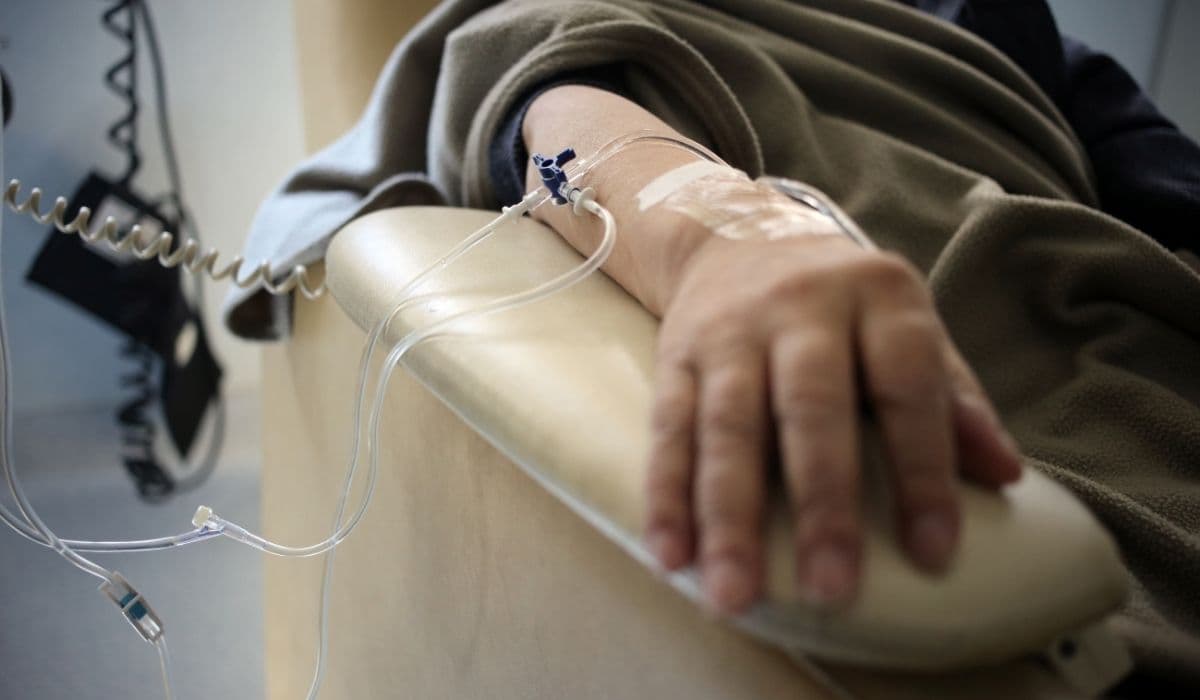
Iron Infusion Therapy involves delivering iron directly into the bloodstream through a vein using an intravenous (IV) drip.
This bypasses the digestive system entirely, ensuring that the iron is absorbed fully and quickly by the body.
Unlike oral supplements, this Infusion Therapy provides a larger dose of iron in a controlled setting, often yielding faster and more effective results.
It’s a part of a broader category of treatment known as Infusion Therapy, which is also used for administering other medications, including biologics used in treating Crohn’s disease.
How Iron Infusion Therapy Works
The process is relatively simple but requires a healthcare professional’s supervision. Here’s what a typical treatment session looks like:
- Initial Assessment: Your doctor will review blood test results to determine the severity of anemia and whether you’re a candidate for infusion.
- Pre-Treatment Check: Vitals are checked, and any potential allergies or risks are assessed.
- Infusion Administration: Iron is administered via IV over 30 to 60 minutes, depending on the formulation used.
- Observation Period: After the infusion, patients may be monitored for any immediate side effects.
Most patients begin to feel more energetic and alert within a few days after treatment.
Who Should Consider Iron Infusion Therapy for Crohn’s Disease Relief?
Iron Infusion Therapy for Crohn’s Disease Relief is especially beneficial for:
- Patients with moderate to severe iron deficiency anemia
- Those who cannot tolerate oral iron due to side effects
- Individuals with poor absorption due to intestinal inflammation
- Patients who need rapid iron repletion (e.g., before surgery)
- Those with ongoing blood loss that surpasses oral iron’s replenishment rate
Your gastroenterologist or hematologist will help determine the best course of action based on your lab results and medical history.
Benefits of Iron Infusion Therapy for Crohn’s Disease Relief
Faster Iron Replenishment
One of the primary benefits of this infusion therapy is its ability to quickly restore iron levels.
This is crucial for patients who are severely anemic or who have not responded well to oral supplements.
Bypasses the Digestive System
Because the infusion is administered directly into the bloodstream, patients with impaired gastrointestinal absorption—like those with Crohn’s disease—get the full benefit of the iron.
Improved Quality of Life
Fatigue and mental fog are common in iron-deficient individuals. Replenishing iron stores can lead to noticeable improvements in energy, focus, and overall vitality.
Minimal Gastrointestinal Side Effects
Unlike oral iron, which can upset the stomach, this infusion therapy generally causes fewer GI-related issues, making it a more comfortable experience for those already dealing with Crohn’s symptoms.
Long-Lasting Results
Many iron infusions can maintain adequate iron levels for several months, reducing the frequency of treatments and improving patient compliance.
Potential Risks and Side Effects
Though generally well-tolerated, Iron Infusion Therapy does carry some risks, including:
- Mild reactions like headache, muscle cramps, or dizziness
- Rare allergic reactions or anaphylaxis
- Skin discoloration at the injection site
- Low-grade fever or joint pain (post-infusion syndrome)
Your healthcare provider will monitor you closely during the session to manage any adverse reactions swiftly.
How Often Do You Need Iron Infusion Therapy?
The frequency of this infusion therapy depends on your individual iron levels, response to treatment, and how quickly your body uses up iron.
Some patients may only require infusions a few times a year, while others might need more frequent sessions.
Routine blood tests are used to guide treatment schedules.
Combining Iron Infusion Therapy with Other Treatments
Crohn’s disease often requires a combination of therapies including:
- Anti-inflammatory medications
- Biologics or immunosuppressants
- Dietary management
- Iron infusion therapy for addressing complications like anemia
Together, these treatments create a comprehensive approach that not only controls inflammation but also supports overall health and recovery.
Choosing the Right Infusion Center
Selecting a trusted and professional infusion center is critical to ensuring comfort, safety, and optimal results. Look for the following:
- Certified and experienced nursing staff
- Clean and calming infusion suites
- Close communication with your prescribing physician
- Flexible appointment scheduling
- Patient education and aftercare support
A Final Word on Empowering Your Crohn’s Journey
Living with Crohn’s disease means more than managing flare-ups—it’s about optimizing your overall health and energy levels.
Iron deficiency anemia may seem like a minor complication, but it can significantly hinder your day-to-day life.
That’s why this infusion therapy for Crohn’s disease relief has emerged as a transformative option for those who need more than what oral supplements can offer.
By replenishing your body’s iron stores efficiently and comfortably, this therapy not only restores your energy but also helps you feel more like yourself again.
Don’t Let Anemia Drain Your Strength—Take Action Today!
Prime Infusions is New York’s fastest-growing, independently-owned infusion pharmacy.
We understand that managing chronic conditions and serious illnesses can be challenging, but treatment doesn’t have to be.
Our dedicated staff prioritizes patients, working tirelessly to ensure they receive the care they deserve.
When it comes to patient and prescriber satisfaction, adherence rates, and overall care, Prime Infusions stands unmatched.
FAQs
What is iron infusion therapy for Crohn’s disease relief?
Iron infusion therapy for Crohn’s disease relief is a treatment where iron is delivered directly into your bloodstream through an IV. This method helps replenish iron stores in people who suffer from anemia due to Crohn’s disease, especially when oral iron supplements are ineffective or poorly tolerated.
Why do Crohn’s disease patients often need iron infusion therapy?
Crohn’s disease can cause chronic intestinal bleeding, poor nutrient absorption, and inflammation, all of which contribute to iron deficiency anemia. Since oral iron may not be absorbed effectively, iron infusion therapy becomes essential to restore healthy iron levels and reduce anemia-related fatigue.
How is iron infusion therapy different from taking iron pills?
Unlike oral iron supplements, this infusion therapy bypasses the digestive tract entirely and delivers iron directly into the bloodstream. This allows for faster, more complete absorption and typically results in fewer gastrointestinal side effects, which is especially important for those with Crohn’s disease.
How long does an iron infusion treatment take?
Most iron infusion therapy sessions last between 30 minutes to an hour, depending on the type of iron used and your individual medical needs. You may also need to stay for a short observation period afterward to monitor for side effects.
How soon will I feel better after iron infusion therapy?
Many patients notice an improvement in symptoms such as fatigue, weakness, and mental fog within a few days to a week after receiving this infusion therapy. However, it may take several weeks for iron levels to fully normalize.
Are there any risks or side effects of iron infusion therapy?
While generally safe, this infusion therapy can cause mild side effects such as headaches, dizziness, or joint pain. In rare cases, allergic reactions can occur. Clinics typically monitor patients during and after the infusion to manage any complications promptly.
How often will I need iron infusion therapy for Crohn’s disease relief?
The frequency of this therapy for Crohn’s disease relief varies based on the severity of your anemia and your response to treatment. Some patients may need infusions every few months, while others may only require treatment once or twice a year.
Can iron infusion therapy be combined with other Crohn’s disease treatments?
Yes. This therapy is often used alongside other Crohn’s treatments like biologics, anti-inflammatory drugs, or dietary therapy. It plays a complementary role in addressing the anemia component of the disease.